Our Impact So Far
Meskot Education is building an offline-first learning model for children in Tigray. This dashboard shares our current progress, using numbers we can verify through program records, distribution activities, and partner/community engagement.
8,000+ Students Reached
Through digital learning and community-based education initiatives.
6,000 Students Supported with Supplies
Books, pens, bags, and other learning materials distributed through Back2School efforts.
2,000+ Offline Learners Reached
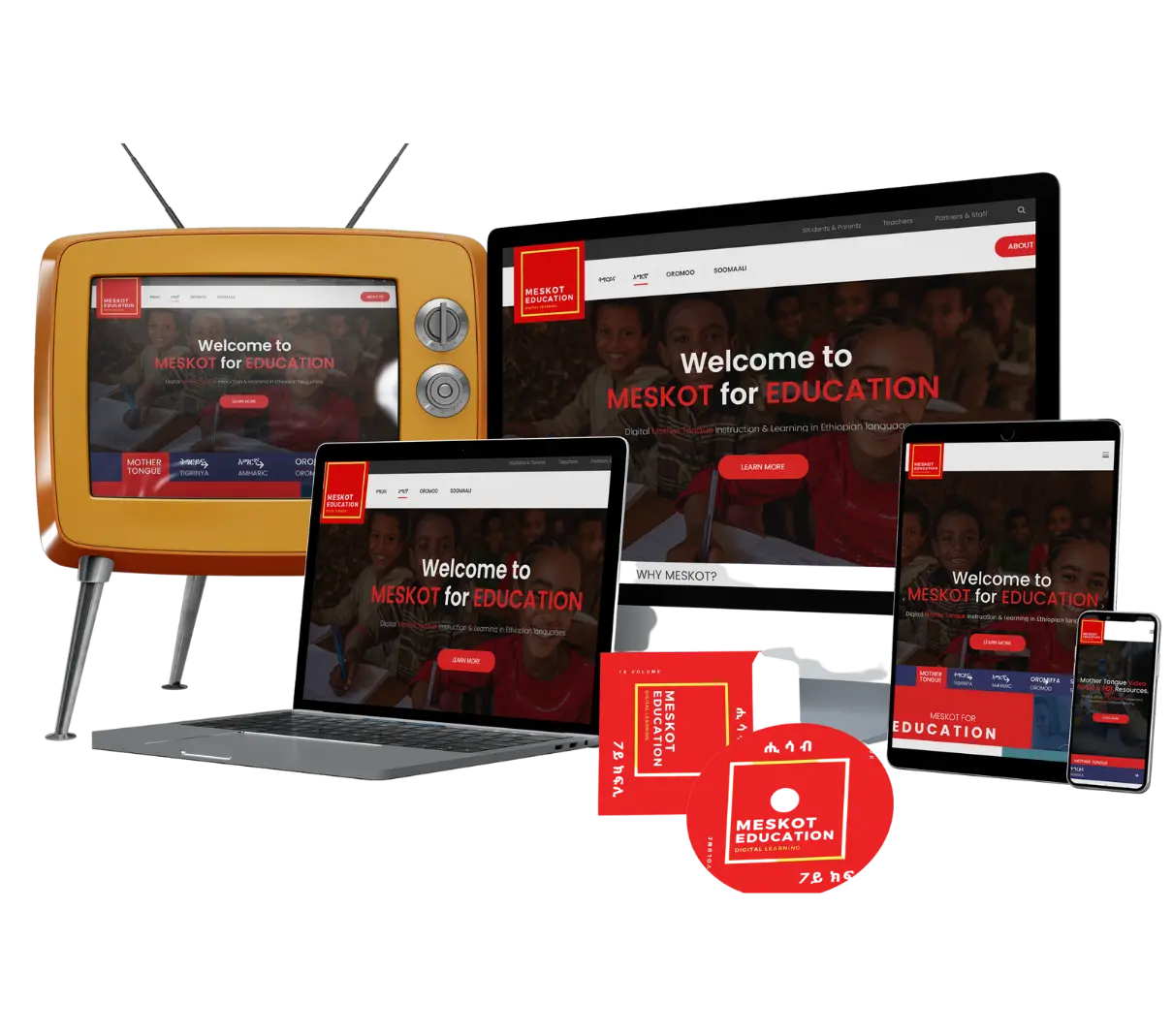
Students reached through USBs, DVDs, and offline distribution channels.
16 Teachers Supported
Local teachers engaged through paid or project-based video lesson production.
120+ Video Lessons Produced & Distributed
Curriculum-aligned lessons created for early childhood and primary learners.
These figures reflect Meskot’s current internal program records and will be updated as our monitoring systems are strengthened.
What These Numbers Represent
These figures reflect Meskot’s early-stage progress across digital lesson production, offline distribution, teacher engagement, and community-based support. Some metrics represent direct education access, while others represent enabling support such as school supplies or teacher income opportunities.
As Meskot grows, we are strengthening our monitoring system to track student usage, teacher integration, and learning outcomes more consistently.
As Meskot grows, we are strengthening our monitoring system to track student usage, teacher integration, and learning outcomes more consistently.
How We Track Progress
Distribution Records
USB/DVD distribution logs and records from school/community activities.
Community Feedback
Feedback from parents, teachers, and local education stakeholders.
Teacher Records
Contracts, stipends, and records of teachers engaged in content production.
Media & Partner Recognition
Recognition from the Tigray Education Bureau, CRS/PDE exposure, VOA Tigrinya, and community platforms.
What We Are Strengthening Next
Meskot’s next step is to improve how we measure learning use and outcomes. We are working toward stronger attendance tracking, teacher usage logs, pre/post learning checks, and feedback systems for offline learning spaces. These improvements will help us move beyond reach numbers and better understand how students are using and benefiting from our resources.